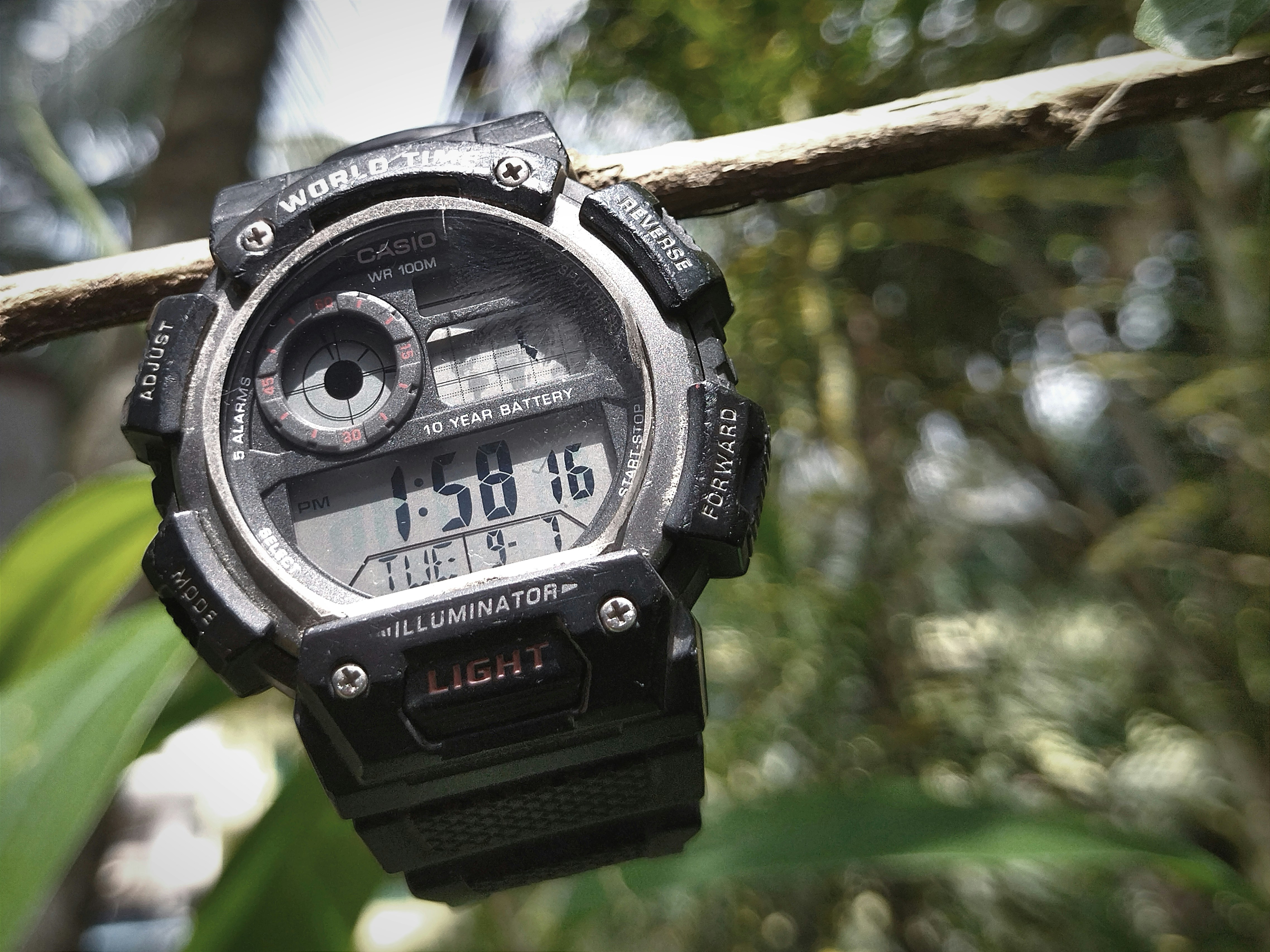
In recent years, the watch industry has seen a significant shift towards more sustainable and innovative timekeeping solutions, with solar-powered watches emerging as a popular alternative. These timepieces utilize solar energy, harnessing sunlight to power their internal mechanisms, thereby eliminating the need for traditional battery replacements. The technology behind solar-powered watches integrates photovoltaic cells that convert light into electrical energy, ensuring that the watch remains operational as long as it is exposed to sufficient light.
The appeal of solar-powered watches is not just limited to their eco-friendly credentials; they also offer a low-maintenance solution for consumers continually seeking convenience in their gadgets. Unlike conventional battery-operated watches, which require periodic battery changes, solar watches can operate for extended periods without any such interruptions. This unique feature positions them favorably among consumers who appreciate durability and longevity in their accessories.
Moreover, the growing popularity of solar-powered watches can be attributed to a heightened awareness of sustainability and environmental conservation. As more people are inclined to make conscious purchasing decisions that reduce their carbon footprint, these timepieces provide an attractive option that marries functionality with environmental responsibility. Additionally, brands producing solar watches often incorporate modern designs and advanced functionalities, appealing to a diverse audience beyond just eco-conscious consumers.
As we approach 2025, the market for solar-powered watches continues to expand, driven by advancements in technology and a rising demand for sustainable products. This trend can be seen in the increasing number of athletes and everyday users choosing solar watches over traditional fitness trackers like Fitbits. With their unique capabilities and appealing designs, solar-powered watches represent a practical and stylish solution for consumers seeking an eco-friendly timekeeping alternative.
In recent years, the watch industry has witnessed a significant transformation with the rise of solar technology. This innovative approach not only enhances the functionality of timepieces but also aligns perfectly with the growing trend toward sustainability and eco-consciousness. Solar-powered watches convert light into energy, providing a more sustainable option compared to traditional battery-operated models. This development has encouraged numerous brands to expand their product lines to include solar technology, making it more accessible to consumers.
Advancements in solar technology have improved both efficiency and design. Earlier versions of solar watches often faced challenges with bulky designs and limited power storage. However, modern innovations have led to slimmer profiles and longer battery lives, allowing manufacturers to create aesthetically pleasing watches without compromising performance. Today’s solar timepieces can harvest energy from both natural sunlight and artificial light, adding to their practicality and appeal. As a result, these watches are becoming increasingly popular among consumers seeking reliable and eco-friendly alternatives to conventional watches.
Several prominent watch brands have integrated solar technology into their offerings, catering to a diverse audience. From luxury brands to more affordable options, the availability of solar-powered timepieces ensures that consumers can make informed choices that reflect their values. This shift towards solar technology signifies a broader commitment within the industry to embrace innovative practices for environmental sustainability. As consumers become more aware of their ecological footprint, the demand for solar-powered watches is expected to rise, establishing them as a key player in the future of horology.
Overall, the ascent of solar technology within the watch industry highlights not just a trend but a fundamental shift in consumer awareness and preferences. As more individuals look to reduce their impact on the planet, solar-powered watches are well-positioned to meet the evolving demands of modern consumers.
In recent years, there has been a notable shift among consumers, particularly in the United States, from traditional fitness trackers like Fitbits to solar-powered watches. This transition can be attributed to several key factors that highlight the advantages of solar timepieces. One primary reason is the remarkable battery life of solar watches, which can last for months, or even years, on a single charge obtained from exposure to sunlight. This feature eliminates the frequent charging sessions that fitness trackers typically require, making solar watches a more convenient option for busy lifestyles.
Moreover, the durability of solar-powered timepieces is another essential aspect that appeals to consumers. Designed to withstand various environmental conditions, many solar watches are water-resistant and built with rugged materials, making them excellent companions for outdoor activities. On the other hand, fitness trackers may be more susceptible to damage due to their reliance on finer components and screens. As outdoor pursuits become increasingly popular, the need for a durable yet stylish accessory gains importance.
Functionality and style also play significant roles in the growing preference for solar watches. Many models come equipped with advanced features like altimeters, compasses, and heart rate monitors, catering not only to watch enthusiasts but also to fitness aficionados looking for multi-functional devices. Additionally, solar-powered watches often exhibit a unique aesthetic appeal, combining classic design elements with modern technology. This versatility allows users to wear them in various settings, from casual to formal occasions.
Finally, the overall value for money offered by solar watches cannot be overlooked. With lower maintenance costs, superior longevity, and an array of stylish options, they present a compelling alternative to fitness trackers. As a result, more Americans are opting for solar timepieces, appreciating their ability to blend practicality with style in an eco-friendly package.
When selecting a solar-powered watch, it is important to consider several essential features that can enhance both functionality and durability. Water resistance is one of the primary aspects to examine. Many models offer varying levels of water resistance, making them suitable for different activities from swimming to diving. A watch rated at least 50 meters (5 ATM) is typically recommended for everyday wear, ensuring that it can withstand accidental exposure to water.
Another critical feature is shock resistance. Engaging in sports or outdoor activities may expose your watch to impacts. Therefore, a model constructed with durable materials and equipped with shock-absorbing technology is advisable. This feature ensures longevity and operability even in rugged conditions, which is particularly useful for active individuals.
Design also plays a significant role in the decision-making process. Solar-powered watches come in various styles, from sporty to classic, catering to diverse aesthetic preferences. Consider the watch case material, strap options, and general design aesthetics to choose a piece that aligns with your personal style. Additionally, the display type—whether analog or digital—can affect usability and individual preference.
Energy efficiency is another vital consideration. Solar-powered watches typically utilize advanced solar technology to convert light into energy efficiently. This aspect directly influences how long a watch can operate on a full charge. Some watches even feature low-light performance, ensuring they remain functional in varying lighting conditions.
Lastly, smart features can add considerable value to your solar-powered watch. Some models integrate functions such as heart rate monitoring, alarm systems, and fitness trackers, making them versatile alternatives to traditional smartwatches. By assessing these features, consumers can make informed choices based on personal needs, lifestyle, and reliability, ensuring the selected solar-powered watch meets their expectations.
As the demand for eco-friendly alternatives rises, solar-powered watches have emerged as a practical choice among consumers. Here, we present seven exceptional solar-powered watches under $250 that offer both functionality and style, appealing to individuals looking to swap their Fitbits for innovative timepieces.
The first standout is the Citizen Eco-Drive BM8180-03E. Known for its reliability, this watch features a simple yet elegant design with a black dial and durable stainless steel case. Its solar technology allows it to harness any light source, ensuring that it runs efficiently with minimal maintenance. Priced around $150, this model exemplifies durability and longevity.
Next up is the Seiko Solar SSC081, which combines a sporty aesthetic with advanced solar power capabilities. With a chronograph function and a water resistance of up to 100 meters, this watch is perfect for outdoor enthusiasts. The price range typically hovers around $200, making it an excellent value for its features.
Another notable mention is the Casio G-Shock G7900-1. Renowned for its ruggedness, this solar-powered watch is built to withstand various extreme conditions. It offers features like a multi-function alarm and in-built tide graph, making it a favorite among adventurers. Available for about $180, it brings both toughness and technology together.
For a more classic look, consider the Orient Sun and Moon FET0T002S. This unique timepiece features a dual-time zone display, gracefully combining analog design with contemporary efficiency. Priced around $250, it stands out with its aesthetic appeal and craftsmanship.
The Invicta Solar 25050 is another excellent choice, showcasing a bold design with luminous markers and a chronograph feature. Its solar technology allows for a stunning 45-day power reserve when fully charged and typically retails for about $125.
For a casual option, the Swatch Solar Gent offers a lightweight design and vibrant colors, appealing to a younger audience. Priced around $100, it’s a perfect choice for everyday wear, ensuring style does not compromise functionality.
Finally, the Timex Expedition Solar brings a rugged yet refined touch to the solar-powered watch market. With an array of features for outdoor activities, including a compass and water resistance, this timepiece is available for approximately $170.
Each of these solar-powered watches delivers a unique blend of style, functionality, and eco-friendliness, making them worthy options for anyone looking to transition from conventional timepieces to more sustainable alternatives.
As the trend for solar-powered watches continues to rise, consumer reviews and feedback have become essential in highlighting their practicality and performance. Many users report significant satisfaction levels, citing the convenience of solar charging as one of the top benefits. Individuals appreciate the fact that solar watches eliminate the hassle of frequent battery replacements, as many models utilize light to charge rather than relying on traditional batteries. This sustainability aspect resonates particularly well with eco-conscious consumers, making solar-powered timepieces a favorable choice.
In reviewing specific models, users have remarked on the durability and water resistance of many solar-powered watches, which cater to an active lifestyle. Quality construction, combined with functional designs, has garnered positive feedback from casual wearers and outdoor enthusiasts alike. For instance, many customers appreciate the various features incorporated into these watches, such as GPS tracking, fitness metrics, and customizable displays, enhancing their overall functionality as timepieces and fitness trackers.
On the downside, some consumers have noted that solar watches may not work as effectively in low-light conditions, where charging could be a challenge. This may lead to users finding themselves reaching for an alternative timepiece if they frequently find themselves in dark environments or if they forget to expose their watch to adequate light. Additionally, while many express that the initial cost under $250 is reasonable for a high-quality solar watch, some users feel the price could still be prohibitive for those on tighter budgets.
In conclusion, the user feedback surrounding solar-powered watches reveals a generally positive sentiment, with numerous benefits outweighing the few drawbacks. Consumers appreciate the blend of style, sustainability, and functionality that accompanies these innovative timepieces, making them a desirable alternative to traditional smartwatches.
In the world of timekeeping, the choice between solar watches and traditional battery-powered watches is becoming increasingly significant. These two types of timepieces showcase distinctive characteristics that cater to various preferences and lifestyles. One of the primary differences lies in maintenance. Solar watches harness energy from sunlight, converting it into power to operate seamlessly. This innovative technology eliminates the need for battery replacements, making solar watches a versatile option for users. In contrast, traditional watches require periodic battery changes, which can be inconvenient and entail additional costs over time.
The environmental impact of these two watch types is another noteworthy aspect. Solar watches are generally considered eco-friendly, promoting sustainability through their reliance on renewable energy. By utilizing sunlight, these timepieces help reduce the demand for disposable batteries, which contribute to electronic waste. Traditional watches, on the other hand, often rely on non-renewable resources for battery production, posing a greater risk to the environment. Consumers seeking to minimize their ecological footprint may find solar watches to be a more responsible choice.
When evaluating lifespan, solar watches usually outperform their battery-powered counterparts. With proper care, solar watches can last for many years, while traditional watches may experience performance issues due to battery degradation over time. Additionally, the user experience provides a key differentiator. Enthusiasts of solar technology appreciate the convenience and reliability it offers; they can enjoy a timepiece that requires minimal upkeep. Conversely, some users may prefer the classic feel and aesthetic of traditional watches, which are often crafted with intricate mechanical designs, adding a timeless appeal.
As individuals consider making a switch between these two categories, the comparative analysis showcases clear advantages of solar watches in terms of maintenance, environmental impact, and longevity. Understanding these distinctions helps consumers make informed choices that align with their values and lifestyle needs.
As we look ahead to the future of solar-powered watches, several trends and innovations are poised to significantly influence the market. With advancements in technology and an increased focus on sustainability, these sun-charged timepieces are likely to gain even greater momentum in the smartwatch and accessory landscape.
Technological advancements are at the forefront of this evolution. Manufacturers are investing in more efficient solar charging systems that can harness ambient light, even in dim environments. This enhanced functionality is expected to prolong battery life and improve overall versatility. Furthermore, the integration of smart technology within solar-watch designs allows for features such as fitness tracking, notifications, and personalized settings comparable to those found in traditional smartwatches. As innovation continues, consumers can anticipate solar-powered watches that marry the best of both worlds—eco-friendliness and smart technology.
In terms of design aesthetics, solar-powered watches are likely to become increasingly diverse. Designers are experimenting with materials ranging from recycled plastics to premium metals, allowing for unique styles that cater to various tastes. This emphasis on fashionable designs will appeal particularly to younger, eco-conscious consumers who prioritize both aesthetics and functionality. The rise of minimalistic styles can also be expected, simplifying the appearance of solar watches while enhancing their accessibility.
Moreover, as public awareness surrounding sustainability continues to grow, solar-powered watches will find an expanding presence in the marketplace. Retailers are expected to allocate more shelf space to these innovative products, as consumers increasingly value sustainable practices. The combination of technical advancements, appealing designs, and a strong market push will solidify the position of solar watches as a viable alternative to traditional smartwatches and fitness trackers.
As we witness a notable shift towards sustainable technology, solar-powered watches are rising in popularity among consumers. These innovative timepieces harness energy from sunlight, eliminating the dependence on traditional batteries and thus contributing to a more eco-friendly lifestyle. The compelling benefits of solar watches include not only their sustainability but also their low maintenance requirements and longevity. With a range of stylish designs and functionalities, solar watches cater to diverse preferences, making them suitable for various occasions and daily wear.
The increasing appeal of solar-charged timepieces is reflected in the growing number of options available, especially among those looking to replace conventional fitness trackers like Fitbits. Priced under $250, many of these watches combine modern technology with reliability, making them an attractive choice for budget-conscious consumers. Furthermore, the shift towards solar watches indicates a broader trend as more individuals seek to make conscious consumer choices that support sustainability and reduce environmental footprints.
By embracing solar technology, consumers are not only investing in quality timepieces but also contributing to a sustainable future. The market for solar-powered watches is expected to continue expanding as more people recognize the advantages these products offer. It is imperative to consider the positive impact that reducing battery consumption can have on our planet. Transitioning to solar watches is more than just a fashion choice; it represents a commitment to sustainability and innovation. As the trend grows, individuals are encouraged to explore the myriad of options available and consider joining the solar watch revolution.



Leave a comment